Opening: why this matters to you
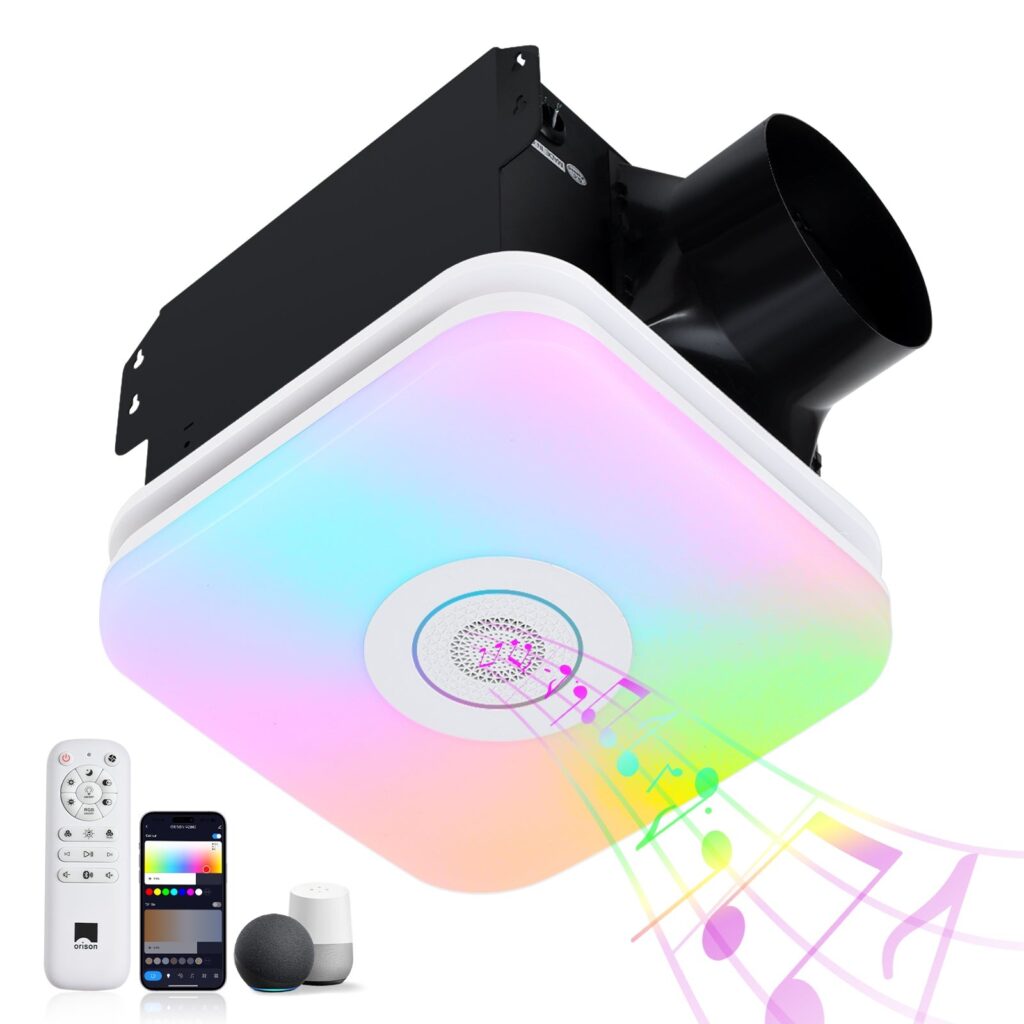
If you’re wondering how to pick a fan that keeps the mirror clear and your podcast audible, you’re not alone. Think of the choice as balancing two forces: steady airflow and clean wireless signal — much like aerodynamic stability meets wavelength integrity. For a practical start, consider a reliable bathroom exhaust fan with light that lists its CFM and sone ratings up front; those numbers tell you how much air it moves and how loud it is in operation. A user-first pick reduces fog, limits moisture damage, and — yes — keeps Bluetooth pairing from cutting out while you’re rinsing.
What users really want (and why specs matter)
Most people list three priorities: effective ventilation, quiet operation, and simple connectivity. Effective ventilation is measured in CFM (cubic feet per minute); you’ll see specs like 50–110 CFM for typical bathrooms. Quietness shows up as sone ratings — lower is better. Connectivity covers Bluetooth or Wi‑Fi pairing, voice control compatibility, and ease of use with your phone or smart hub. These are practical trade-offs: higher CFM often means more noise unless the motor and housing are engineered to reduce vibration, and advanced features like LED drivers or integrated speakers can change installation needs.
Real-world anchor: standards that matter
ASHRAE 62.2 sets a widely accepted baseline for residential ventilation. Following that guidance helps prevent moisture problems and indoor air-quality issues that lead to mold. Choosing a fan that meets or exceeds recommended CFM for your room size aligns with a recognized standard — and that’s useful when comparing models from different brands. It’s not drama; it’s risk management. Install correctly, and you safeguard finishes and health alike.
Installation and common user mistakes
Install choices often determine real performance more than the box you buy. Common mistakes include undersizing the fan for the room, routing ducting with multiple bends, and assuming ceiling placement is always optimal. Duct diameter, length, and the number of elbows all reduce effective airflow; a 4‑inch duct with two tight bends can shave off CFM quickly. Also, don’t forget a backdraft damper and proper vent termination to the outdoors — venting into an attic is a recipe for trouble.
Features that actually change daily life
Some bells and whistles are worth it; others are not. Useful features include motion sensors for auto-run, humidity-sensing controls that adjust CFM automatically, integrated LED lights with dimming options, and a built-in speaker that supports stable Bluetooth pairing. Beware of gimmicks: fancy apps that can’t reliably connect or speakers with tiny drivers that distort at moderate volumes don’t add much value. If voice control matters, ensure compatibility with your ecosystem (Alexa, Google Assistant, or Siri) and test real-world response — not just the marketing claims.
Comparing types: basic, smart, and hybrid
Think in three buckets:
- Basic: Simple exhaust + light. Good for straightforward ventilation needs, easy installation, and lower cost.
- Smart: Integrated Wi‑Fi/Bluetooth, scheduling, and voice control. Better for automation and multi-user homes, but needs solid firmware and connectivity.
- Hybrid (recommended for many): Reliable ventilation core with optional smart add-ons like a speaker or humidity sensor. Balances performance and convenience.
Hybrid models often avoid the weakest link problem — the fan’s motor and housing do the heavy lifting, while electronics are modular and replaceable. — It’s a sensible compromise if you want future-proofing without sacrificing airflow.
Alternatives and what to test before you buy
Look at measured CFM under load, independent sone testing, and real-user reports on Bluetooth stability. If possible, hear the fan in a showroom or check demo videos with a reference microphone. Compare warranty terms and serviceability: can you replace the LED driver or speaker module without ripping out the fan? Also, if noise is critical, seek models with insulated housings and anti-vibration mounts.
Common maintenance and trouble-shooting tips
Keep the grille and impeller clean — dust and lint reduce airflow and increase motor stress. Check ducting yearly for dislodged sections or collapsed flex duct. For connectivity issues, place the hub or speaker module away from densely packed metal enclosures and consider a mesh Wi‑Fi extender if your bathroom sits far from the router. For persistent humidity problems despite adequate CFM, review vent path and roof termination: sometimes the hardware is fine, but the ducting is the culprit.
Three golden rules for choosing the right fan
1) Match ventilation to room size: pick a fan with sufficient CFM per ASHRAE guidance and account for any additional load from a spa tub or steam shower.
2) Prioritize core ventilation first: quiet, durable motor and proper housing before smart features — electronics can be swapped; a poor motor can’t be fixed with firmware.
3) Verify real-world connectivity and serviceability: test Bluetooth pairing and voice commands in your home environment, and prefer modular designs that allow component replacement.
Choosing a fan that actually performs in daily life tends to lead people to models that combine solid engineering with thoughtful features — and that’s where a product like the bathroom fan with light and bluetooth speaker often fits: it starts with the ventilation specs and layers in the audio and lighting in a serviceable way. For homeowners and renters who want clear mirrors and uninterrupted playlists, that pragmatic mix is what matters most.
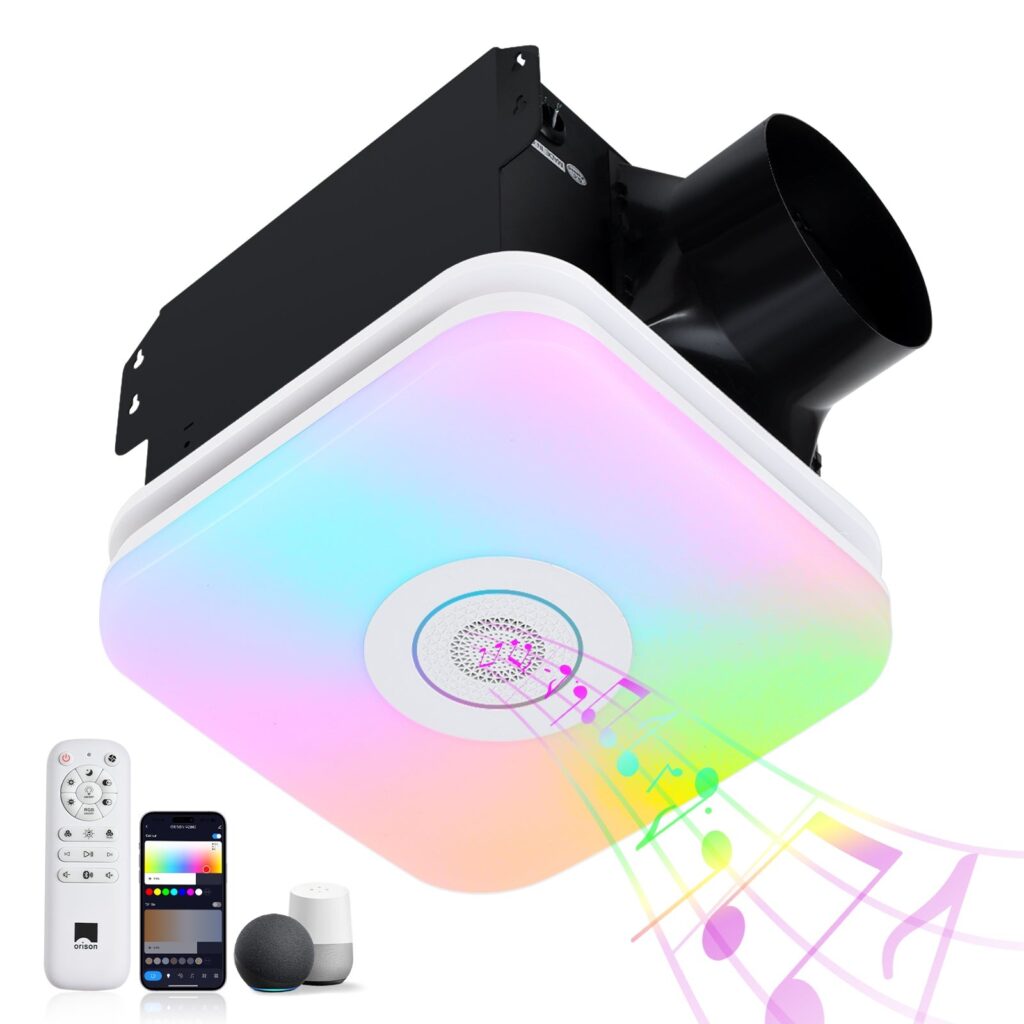
Final note: when you balance airflow, noise, and connectivity, you end up with a bathroom that works for people — not just for specs. Orison. —
About the Author
