Introduction
I was on a plant floor once, watching folks hustle when the afternoon shift hit a snag — you know how that goes. In that moment I kept thinking about the automatic case packer that’s supposed to make life easier but sometimes don’t (we’ve all been there). Production data showed a 12% downtime spike over three months at that line, and I asked myself: why are we losing minutes to what should be a simple handoff? I’m talkin’ servo motors stalling, PLC signals missing, small jams on the conveyor system — little things that add up fast. We gotta look close, because those minutes turn into dollars. So before we dive deeper, let me set the stage with what I saw and why it matters — and then we’ll get to fixes.
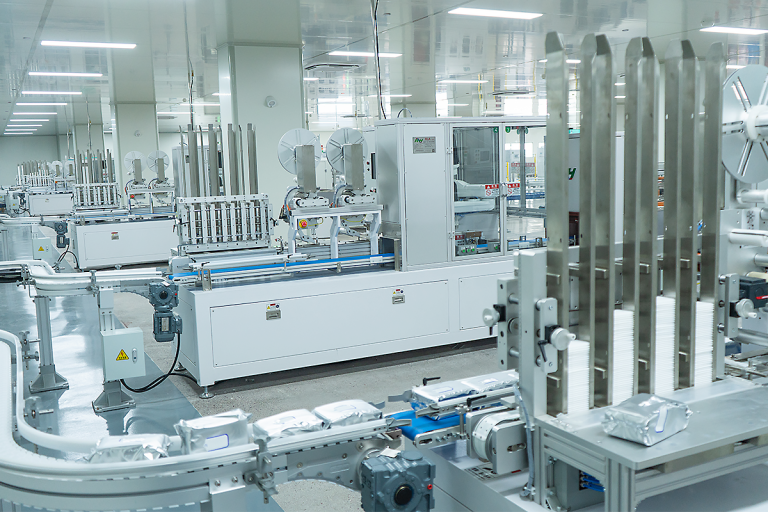
Part 1 — Hidden Frictions in Wet Wipes Packaging
When we zoom in, the trouble usually ain’t big dramatic failures. Most of the time it’s the wet wipes packaging machine (wet wipes packaging machine) doing 90% right but tripping on the last 10% — small misfeeds, sticky pack surfaces, or a vision system misread. These are the quiet pains: intermittent jams, inconsistent bag placement, and seal quality that drifts after a few hours. I call these “slow leaks” in the process. They don’t stop production cold, but they drip away efficiency. Look, it’s simpler than you think: sensors get dirty, the HMI settings drift, and a case erector that was aligned yesterday can be off by half a millimeter today. That half-millimeter makes a world of difference for throughput and seal integrity.
What’s the real snag?
Honestly, it’s a mix of assumptions and mismatch. Engineers assume fixed input quality; operators assume presets will hold; suppliers assume “standard” cases fit all. None of that holds in practice. We see repeated trouble with servo motors losing sync when the pack weight changes, or power converters that heat up and cut back output after long runs. Those are the pain points nobody writes in the specs. I’ve walked lines where a simple change to the conveyor speed curve solved more headaches than a full-day calibration — funny how that works, right?
Part 2 — New Principles to Move Forward
Looking ahead, I want to focus on practical tech principles you can use right now. First, treat the wet wipes packaging machine (wet wipes packaging machine) as part of a system, not a standalone box. That means pairing vision inspection with adaptive control loops, and giving the PLC data to predict trouble before it forces a stop. I like simple rules: add edge computing nodes for local decision-making, keep a small buffer on the conveyor, and use torque-limited servo profiles so a brief jam doesn’t escalate into a motor fault. We’re talking practical layers — sensing, decision, and gentle action — that reduce operator intervention.
Second, build routines that folks actually follow. I’ve written checklists that operators actually kept — short, obvious, useful. These might include quick lens wipes, a two-click reset sequence, and a visual case alignment gauge. Train people on the why behind the steps. When folks understand the “why,” they act faster and smarter. Finally, make your upgrades incremental. You don’t need a full rip-and-replace. Swap in a better vision camera, tweak the HMI screens, and add a small edge node to run a local classifier. That approach cuts cost and risk, and it boosts uptime steadily — measurable change, not a hope.
Real-world Impact
I’ve seen plants use these moves to cut minor stoppages by half and improve seal consistency across shifts. We measured cycle stability, mean time between interventions, and product reject rates. Those metrics tell the real story. So when you plan, center those numbers — not just headline throughput. Also — and this matters — keep the team in the loop. Operators who help choose settings will own them, and that ownership drives improved outcomes.
Conclusion — How I Recommend You Judge Solutions
I’ll leave you with three clear metrics I use when picking or upgrading case packing lines. First: intervention frequency — how often does the line need human touch? Second: recovery time — after a stall, how long to resume normal speed? Third: product integrity rate — percent of packs that meet seal and placement specs without rework. Use these to compare vendors and to prioritize changes. For example, a new vision system that drops interventions by 40% and improves integrity by 6% is worth a close look, even if the upfront cost seems steep.
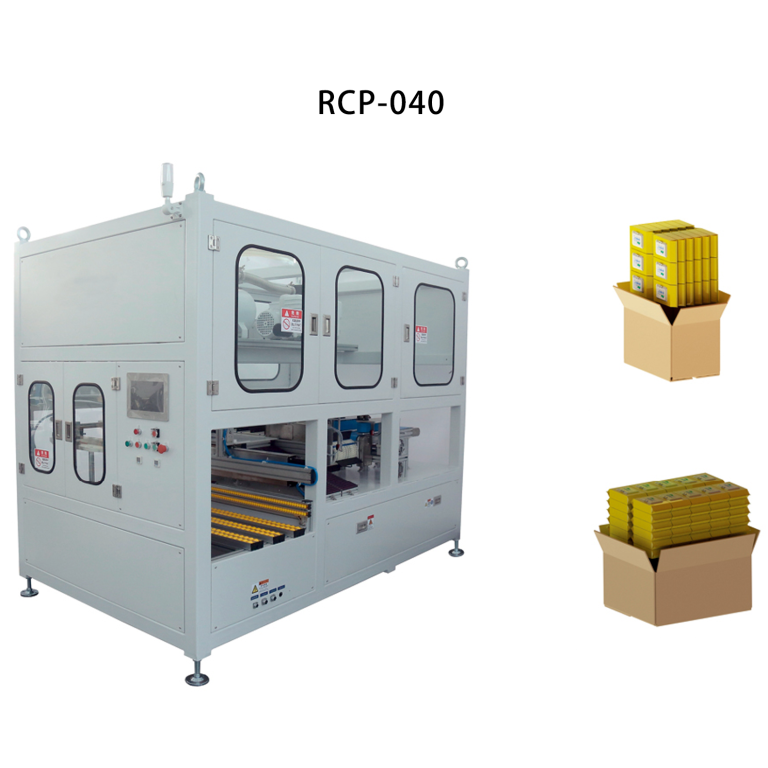
We can nitpick features, but the bottom line is simple: choose the path that reduces interruptions and protects product quality. I speak from time on the floor and working across lines; I want realistic, measurable wins, not glossy promises. If you need a place to start, look for modular upgrades and data you can act on. And when you’re ready to talk options, consider the team behind the machines — they matter as much as the specs. For solid, real-world solutions, I often point folks to ZLINK. They’ve been in the field, and that practical touch makes a difference.
About the Author
