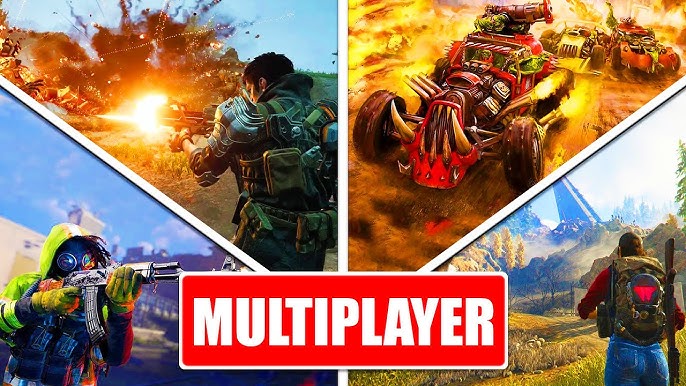
Online gaming has taken the world by storm, offering players a vast and interactive platform where they can connect, compete, and explore. With millions of players logging in daily, online gaming has evolved into a major industry that influences entertainment steamrip , technology, and even social interactions. Whether through multiplayer battles, role-playing adventures, or cooperative missions, online games have become an integral part of modern culture.
The journey of online gaming began in the late 20th century when computers and early network systems allowed players to interact in simple text-based games. As technology advanced, developers introduced graphical multiplayer games, leading to the rise of popular online titles. Today, games like Fortnite, Minecraft, and Call of Duty offer highly immersive experiences, attracting players of all ages.
One of the biggest appeals of online gaming is its social aspect. Unlike single-player games, online games provide a sense of community by allowing players to communicate, form teams, and engage with others across the globe. Features like in-game chat, voice communication, and multiplayer collaboration have made online gaming a way for people to stay connected, even when miles apart.
Competitive gaming, or esports, has further propelled online gaming into the mainstream. Esports tournaments are now hosted in arenas and streamed to millions of viewers worldwide, with professional players earning sponsorships and prize money. Games like League of Legends, Valorant, and Counter-Strike have dedicated esports leagues, turning online gaming into a full-fledged profession for skilled players.
Aside from entertainment, online games offer numerous cognitive and educational benefits. Many games require problem-solving, critical thinking, and teamwork, helping players develop valuable life skills. Strategy-based games improve decision-making and planning abilities, while fast-paced games enhance reflexes and coordination. Some educators have even integrated gaming elements into learning to make lessons more engaging.
Online gaming has also created economic opportunities beyond esports. Game development companies generate billions in revenue, and platforms like Twitch and Youtube allow gamers to turn their hobby into a career through live streaming and content creation. Virtual economies in games, where players can buy, sell, and trade in-game items, have further expanded the financial impact of the industry.
However, with its rapid growth, online gaming also faces challenges. One major concern is gaming addiction, where players spend excessive hours in virtual worlds, sometimes neglecting real-life responsibilities. Developers have introduced features like parental controls, in-game reminders, and playtime limits to encourage responsible gaming habits and a healthy balance.
Another issue is toxicity and cyberbullying in online communities. Some players experience harassment, negative interactions, or unfair play, leading to frustration and discouragement. To combat this, game developers implement reporting systems, moderation tools, and artificial intelligence-driven monitoring to create safer and more inclusive gaming environments.
Technological advancements continue to shape the future of online gaming. Virtual reality (VR) and augmented reality (AR) are making gaming more immersive, offering players an entirely new way to experience digital worlds. Cloud gaming services, such as Xbox Cloud Gaming and NVIDIA GeForce Now, are making high-quality gaming more accessible by removing the need for expensive hardware.
Artificial intelligence (AI) is another game-changer in online gaming. AI-driven characters and procedural content generation are making games smarter and more interactive. AI can adapt to player behavior, create more engaging storylines, and improve overall gaming experiences. Meanwhile, blockchain technology is introducing new concepts like play-to-earn gaming, where players can monetize their time and achievements.
Cross-platform play has also changed the gaming landscape, allowing players on different devices to compete or cooperate in the same game. This has eliminated platform restrictions and made gaming more inclusive. Whether playing on a PC, console, or mobile device, players can now enjoy seamless gaming experiences with friends, regardless of their chosen platform.
In conclusion, online gaming has evolved into more than just a form of entertainment; it has become a cultural, economic, and technological force that continues to shape our digital world. From fostering friendships and professional careers to driving innovation in AI and VR, online gaming is here to stay. As technology advances, the future of online gaming looks even brighter, promising new experiences and opportunities for players across the globe.
About the Author
